Day 14/365
Last week I wrote about testing indigo-dying techniques, where I used watercolour paints and washi paper. Today, I’m going to talk about my experience using real indigo dye on both washi paper and handmade flax/abaca and hemp/abaca papers (from the folks over at Paperhouse Studio here in Toronto)
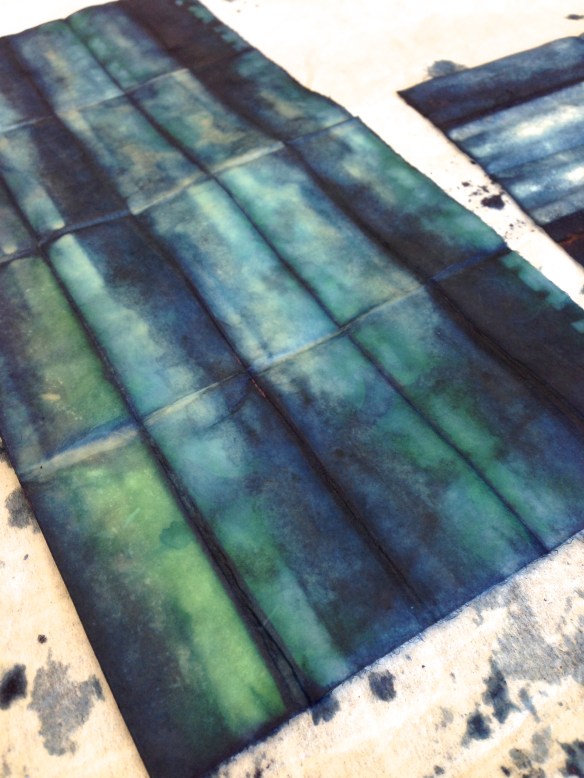
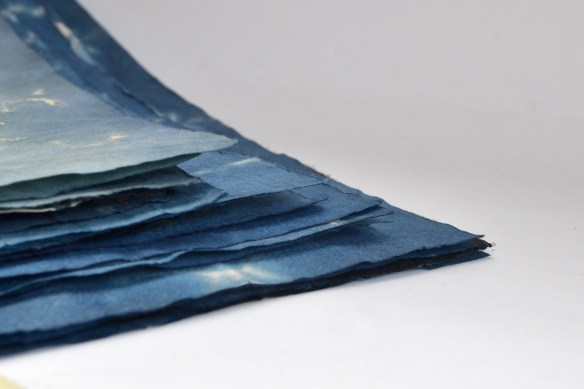
If you’ve ever tried your hand at the popular Shibori technique, which is used for dying fabric with indigo, you’ll be familiar with the science side of this process. Once indigo dye (which comes from a plant leaf) is mixed and heating up in a vat, the trick is not to stir it or otherwise let oxygen into the vat. When the paper is dipped into the dye, it comes out green at first (as seen in the above photo), and then changes to that awesome indigo blue once the dye has oxidized (as seen in the photo below).
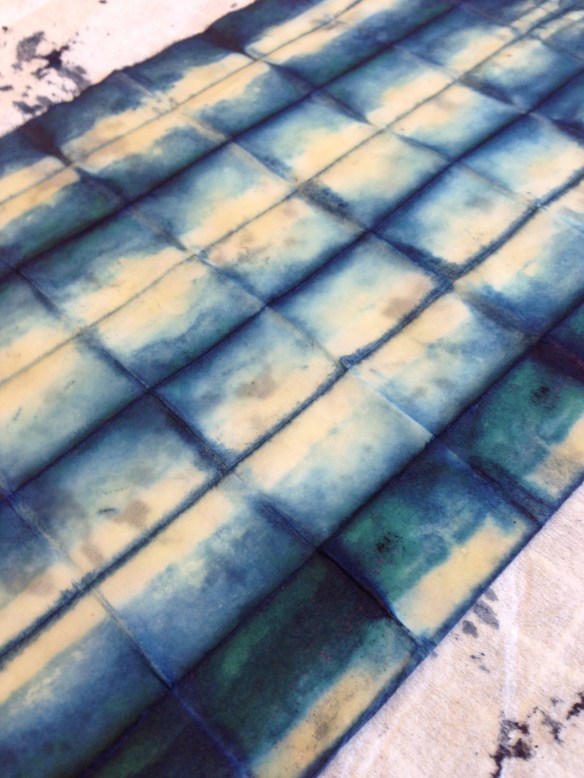
That’s the main idea anyways, I won’t pretend to know it all! But there is something exciting about combining science and art. I cannot put my finger on it, but it made the process quite enjoyable and ultimately gave me a real appreciation for the finished product.
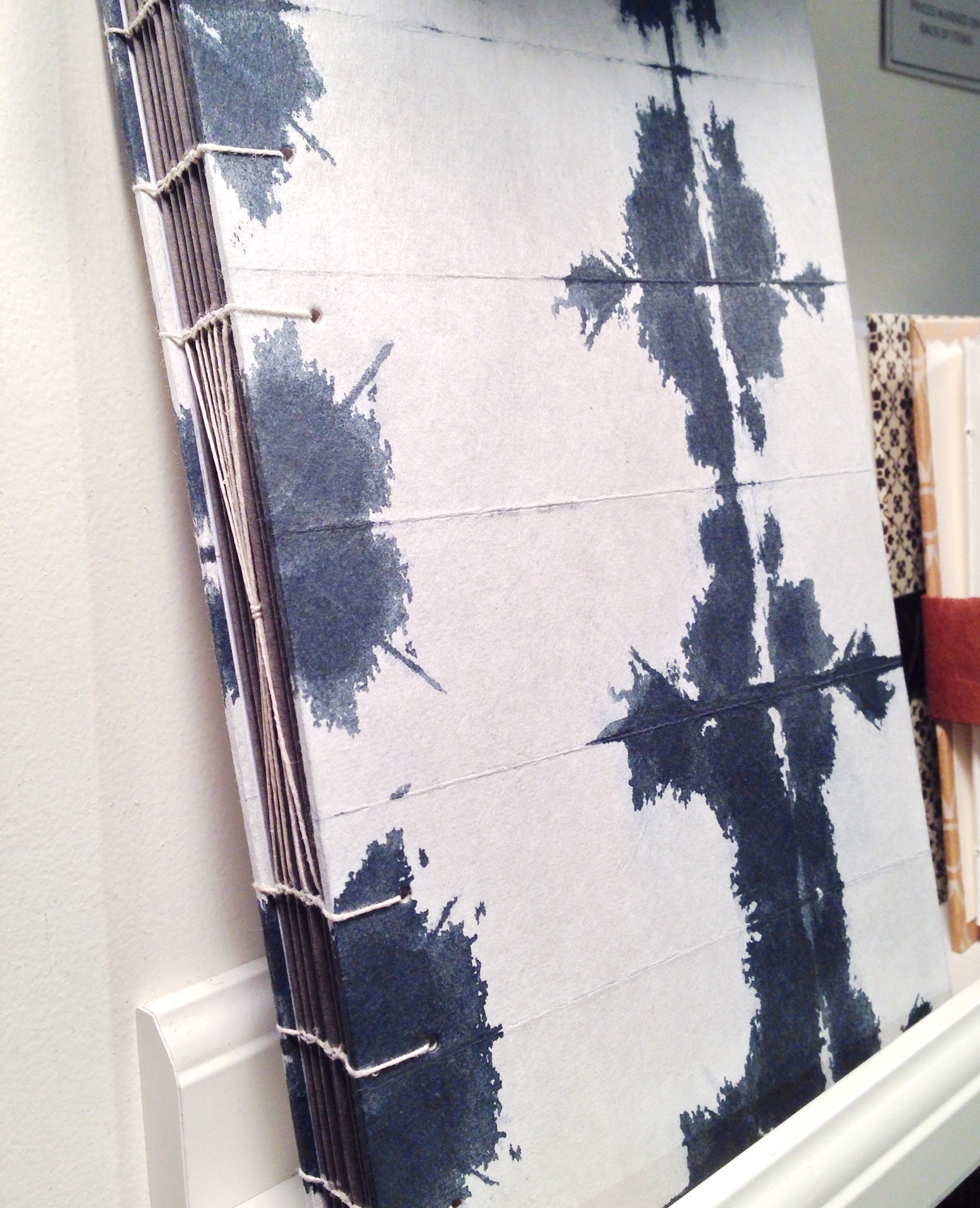
To see what I did with some of these papers, take a look at this journal. And stay tuned as I’m still working on projects with the bulk of the papers I dyed.




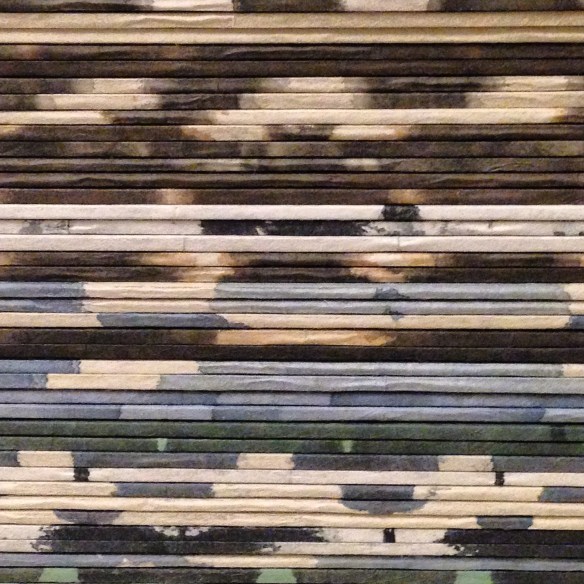

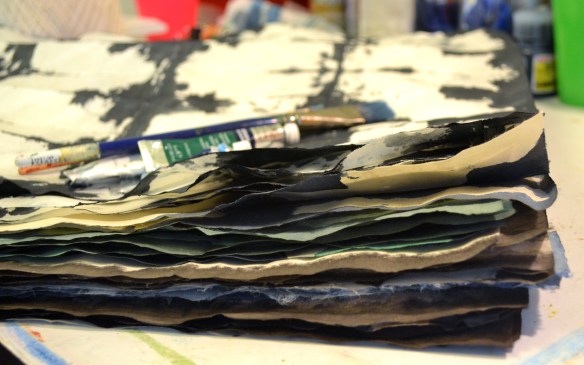
 For a few weeks now I’ve been playing around with paper dying using indigo. But before I started using real indigo I did many tests with watercolour paints (indigo-colour, of course) and I wanted to share some of my favourites with you.
 The resulting papers are lovely but they just aren’t the same depth and richness of colour as true indigo-dyed papers. I’ll go over some of the things I made with the true indigo dyed papers in a few days. And at some point in the future I’ll do a post about the actual hand-dying process and how messy/fun it really is!!
 Sprouts Press